Source customized metal mustache bottle opener with keychain for promotions, gifts, and events
Find 30 listings for a customized metal mustache bottle opener with keychain from verified suppliers. Compare prices, MOQs, and lead times to select the right option for promotional gifts, events, or branding campaigns.
Key considerations
Products List


Comprehensive Sourcing Guide
Strategic Sourcing Guide for Customized Metal Mustache Bottle Openers with Keychains
The global market for promotional metal merchandise has seen a sustained demand for unique, functional items that serve as dual-purpose tools and brand ambassadors. Among these, the customized metal mustache bottle opener with a keychain represents a niche yet highly effective category for corporate gifting, event giveaways, and retail promotions. Sourcing this specific item requires a disciplined approach to verifying technical specifications, understanding material integrity, and navigating the complexities of international trade terms. This guide provides a structured framework for buyers to evaluate potential suppliers and ensure the procurement of high-quality, compliant products that align with specific branding and logistical requirements.
Technical Specifications and Material Integrity
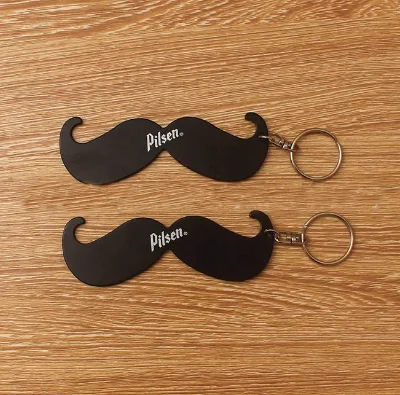
The foundation of a successful procurement strategy lies in a precise understanding of the product's physical attributes. The core item is defined as a bottle opener keychain, typically constructed from metal to ensure durability and a premium feel. In the context of the current market data, stainless steel is a frequently cited metal type, offering a balance of strength and resistance to corrosion. The design is distinctively characterized by a mustache shape, which serves as both a functional lever for opening beer bottles and a memorable visual identifier for the brand.
Buyers must verify the specific dimensions and weight of the unit, as these factors influence shipping costs and packaging efficiency. While some listings indicate custom sizes, the standard production often adheres to specific model numbers such as RO-04 or RO-03, or generic identifiers like Opener No. 1. The surface treatment is another critical technical variable; polished finishes are common, providing a smooth texture and aesthetic appeal. However, the buyer must confirm whether the product includes anti-rust features, as this is a stated capability for certain metal variants.
The printing method applied to the metal surface is equally significant for branding. Silk screen printing and laser engraving are the primary techniques observed in this category. Silk screen printing allows for vibrant color application, which is essential for custom colors, while laser engraving offers a permanent, high-contrast mark that does not fade over time. The choice between these methods should be dictated by the desired visual effect and the longevity of the logo on the metal substrate. Additionally, the single volume and gross weight of the item are essential for calculating freight costs, though these figures can vary based on the specific packaging configuration.
Compliance, Certification, and Quality Assurance
In the B2B procurement of metal goods, compliance with international standards is non-negotiable. Buyers should prioritize suppliers who can demonstrate adherence to recognized quality management systems. Data indicates that certifications such as SGS and ISO9001 are relevant benchmarks for this product category. These standards suggest that the manufacturing process involves rigorous quality control measures, from raw material selection to final packaging.
The material itself must undergo testing to verify its composition and safety. SGS material testing is a specific reference point that buyers should look for to ensure the metal meets the required purity and safety standards, particularly if the product is intended for use in regions with strict import regulations regarding heavy metals or food contact safety. Although the product is a bottle opener and not a food container, the metal composition must be non-toxic and safe for general handling.
Furthermore, the supplier's ability to provide export market compliance is crucial. The product is designed for a global export market, which implies that the manufacturing facility must be capable of meeting diverse regulatory requirements across different regions. Buyers should request documentation proving that the supplier's facilities are audited and that the products have passed relevant safety tests. The presence of a warranty, such as a three-year warranty observed in some listings, can also serve as an indicator of the manufacturer's confidence in their product's durability and quality control processes.
Cost Drivers and Pricing Structures
Understanding the cost structure of customized metal bottle openers is vital for budgeting and negotiation. The price of these items is influenced by several key variables, including the complexity of the customization, the volume of the order, and the specific material used. The observed price range in the market is quite broad, typically spanning from $0.05 to $2.00 per unit. This variance is largely driven by the scale of production and the level of customization required.
The Minimum Order Quantity (MOQ) is a significant cost driver. While some suppliers may offer low MOQs starting at 5 or 50 pieces, the standard industry practice for custom metal goods often involves a higher threshold, such as 100 or 500 pieces. Ordering above the standard MOQ can significantly reduce the unit cost due to economies of scale. Conversely, orders below the standard MOQ may incur higher per-unit charges or setup fees.
Additional cost factors include the choice of surface treatment and printing method. Laser engraving may carry a different cost structure compared to silk screen printing, depending on the setup time and machine usage. The packaging details also play a role; options range from simple OPP bags to more complex carton packaging with specific unit counts per box. Buyers must also consider the trade terms, such as EXW, FOB, or CIF, as these determine who bears the cost of shipping and insurance. The supply ability of the manufacturer, often cited as 500,000 pieces per month, indicates that large-scale orders can be fulfilled without significant delays, but the pricing may fluctuate based on raw material market conditions.
Typical Applications and Market Positioning
The customized metal mustache bottle opener with a keychain is uniquely positioned for a variety of applications, primarily driven by its dual functionality and distinctive design. Its primary use case is in promotional activities, where it serves as a high-utility gift that encourages brand recall. The mustache shape adds a touch of humor and personality, making it particularly effective for events, trade shows, and corporate parties.
Beyond general promotions, the product is suitable for specific thematic events, such as bar openings, beer festivals, or men's grooming product launches. The keychain feature enhances its utility, allowing the recipient to carry the opener conveniently, thereby increasing the frequency of brand exposure. The product is also marketed for use as a photo frame or coin holder in some configurations, expanding its potential application beyond just bottle opening.
The target audience for this product includes marketing departments of large corporations, event planners, and retail distributors looking for unique promotional items. The global export market status of the product suggests that it is versatile enough to appeal to diverse cultural contexts. However, buyers should ensure that the design aligns with the cultural sensibilities of the target market, as the mustache motif may resonate differently in various regions.
Supplier Evaluation and Selection Criteria
Selecting the right supplier is a critical step in the sourcing process. Buyers should evaluate potential partners based on their production capacity, location, and track record. The supply chain for these products is often centered in manufacturing hubs in China, with specific origins noted in Zhejiang and Guangdong provinces. These regions are known for their expertise in metalworking and promotional product manufacturing.
When evaluating suppliers, buyers should verify the supplier's ability to handle custom designs and their responsiveness to client needs. The availability of customer design services and the ability to accommodate custom colors are essential criteria. Additionally, the supplier's shipping capabilities, including the use of major carriers like DHL, EMS, UPS, FedEx, and TNT, should be assessed to ensure reliable delivery.
The sample time and production time are also key indicators of a supplier's efficiency. A sample time of 5-7 days and a production time of 15-18 days are standard benchmarks that buyers should expect. Suppliers who can meet or exceed these timelines are generally more reliable. Furthermore, the supplier's trade terms, such as EXW, CIF, and FOB, should be clear and flexible to accommodate the buyer's logistics preferences.
Quality Control and Long-Term Procurement Considerations
Implementing a robust quality control (QC) process is essential to ensure that the final product meets the buyer's expectations. Buyers should establish clear QC checkpoints, including material verification, dimensional checks, and visual inspections of the printing and finishing. The use of standardized packaging, such as 1 piece per OPP bag and 40 pieces per polybag, helps protect the product during transit and simplifies inventory management.
For long-term procurement, buyers should consider the scalability of the supplier. The ability to supply 500,000 pieces per month indicates that the supplier can handle large orders, but buyers must also ensure that quality remains consistent across different production batches. Establishing a long-term relationship with a supplier can lead to better pricing, priority production scheduling, and more flexible terms.
Buyers should also plan for potential supply chain disruptions by maintaining a buffer stock or identifying alternative suppliers. The port of dispatch, typically Ningbo or Shanghai, should be factored into the logistics planning to ensure timely delivery. Finally, buyers should maintain open communication with the supplier regarding any changes in design or specifications to avoid misunderstandings and ensure the final product aligns with the original intent.
Summary of Key Procurement Parameters
To facilitate a comprehensive evaluation, the following table summarizes the critical parameters buyers should verify during the sourcing process:
| Parameter | Typical Observation | Verification Requirement |
|---|---|---|
| Material | Stainless Steel, Metal | Confirm material test reports (e.g., SGS) |
| Design | Mustache Shape, Keychain | Verify custom design capabilities |
| Printing | Silk Screen, Laser | Confirm logo placement and color accuracy |
| MOQ | 50 to 500 Pcs | Negotiate based on order volume |
| Lead Time | 15-18 Days Production | Confirm sample time (5-7 days) |
| Certification | ISO9001, SGS | Request valid certification documents |
| Packaging | OPP Bag, Carton | Verify packing details for shipping |
| Origin | Zhejiang, Guangdong, China | Confirm factory location and capacity |
By adhering to these guidelines and maintaining a rigorous approach to verification, buyers can successfully source high-quality customized metal mustache bottle openers with keychains that meet their specific branding and operational needs.
FAQs
What printing methods are available for the logo?
Silk screen printing and laser engraving are the primary methods available for applying custom logos. These techniques ensure vibrant colors or permanent marks on the stainless steel surface, allowing for brand customization on the mustache bottle opener keychain.
Can I order custom sizes and colors for this item?
Yes, custom sizes and custom colors are available for this metal bottle opener. The product supports customer design requests, allowing buyers to specify unique dimensions and color options to match their branding requirements for promotional events.
What is the typical lead time for production?
The standard production time is 15 to 18 days after sample approval. A sample time of 5 to 7 days is required before mass production begins, ensuring the design and specifications meet the buyer's expectations before the full order is manufactured.
Which certifications do the suppliers typically hold?
Suppliers often hold SGS and ISO9001 certifications to ensure quality management and material safety. These standards verify that the manufacturing process meets international requirements, providing assurance that the stainless steel material is tested and compliant for global export.
What is the minimum order quantity for this product?
The minimum order quantity typically ranges from 50 to 500 pieces depending on the supplier. Some listings indicate an MOQ of 100 pieces, while others may require 500 pieces, so buyers should verify the specific threshold before placing an order.
Where are these products manufactured and shipped from?
These products are manufactured in Zhejiang and Guangdong provinces in China. The port of dispatch is usually Ningbo or Shanghai, facilitating efficient shipping via major carriers like DHL, UPS, FedEx, or EMS to global destinations.